
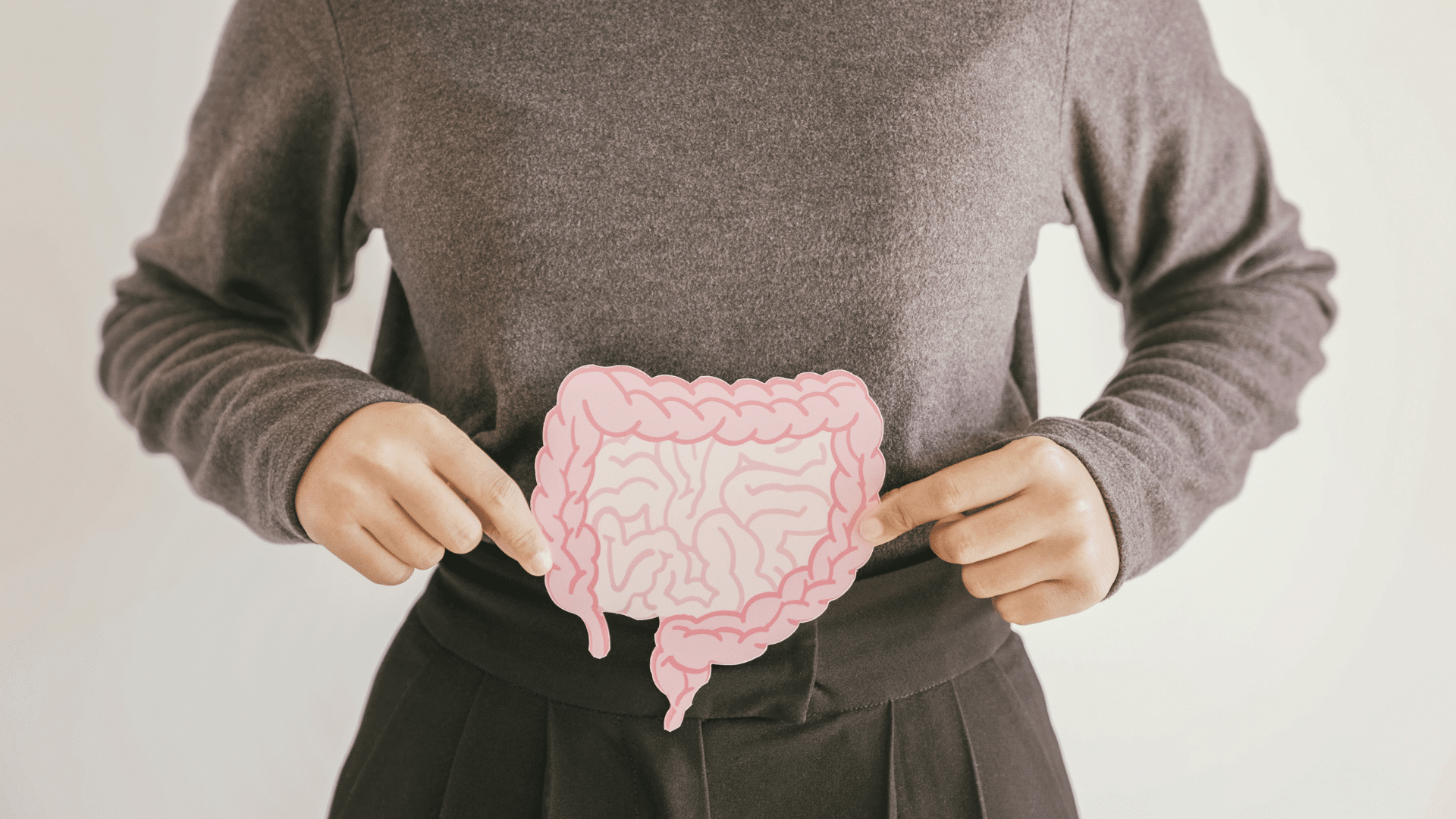
Over the last few years, “gut health” has become a buzzword — but what does it actually mean?
Gut health refers to the state of your digestive system, especially the balance of trillions of bacteria, fungi, and other tiny organisms living in your intestines. This ecosystem, called the gut microbiome, works closely with your body to digest food, absorb nutrients, regulate immunity, and even influence your mental health.
When your gut microbiome is balanced and diverse, you feel the benefits in your energy levels, digestion, immunity, and mood. But when it’s disrupted (a condition known as dysbiosis), it can lead to issues like bloating, fatigue, frequent colds, poor nutrient absorption, or even more serious chronic health problems.
Science now shows that the gut plays a bigger role in your health than we ever imagined. Here are the top reasons it matters:
Did you know about 70% of your immune system lives in the gut? Your gut lining and the bacteria that live there act as your first line of defense against harmful pathogens. A healthy gut microbiome “trains” your immune system to react appropriately — fighting infections without overreacting to harmless substances.
The gut and brain are connected by the vagus nerve, often referred to as the “gut-brain axis.” This connection explains why stress can cause stomach upsets — and why an unhealthy gut can increase anxiety, depression, or sleep problems. The gut produces neurotransmitters like serotonin, sometimes called the “happy hormone,” which directly influences mood.
Even if you’re eating healthy food, your body won’t benefit if your gut can’t properly absorb nutrients. An unhealthy gut lining may lead to deficiencies in iron, zinc, vitamin B12, and other essentials, leaving you tired, weak, or run down.
Studies show that a diverse gut microbiome is linked to reduced risk of obesity, type 2 diabetes, cardiovascular disease, and inflammatory conditions. In short: looking after your gut could add years of healthy living to your life.
Wondering if your gut needs some attention? Look out for these common signs:
If these sound familiar, it may be time to make changes that support your gut.
The good news: you don’t need expensive supplements or complicated diets to build a healthy gut. Here are simple, evidence-based steps you can take:
Fibre is food for your gut bacteria. Aim to include whole grains, legumes, fruits, and vegetables daily. Foods like oats, beans, apples, and leafy greens contain soluble fibre that promotes the growth of healthy bacteria.
Fermented foods like yogurt, kimchi, sauerkraut, kefir, and miso contain probiotics — live bacteria that boost microbiome diversity. Try adding small amounts daily to your meals.
Highly processed foods and refined sugars can encourage the growth of harmful bacteria and yeast in the gut. Swapping sugary snacks for fruit, nuts, or healthier alternatives makes a big difference.
Water helps the gut break down food and move waste efficiently. Aim for 6–8 glasses daily. Herbal teas also support digestion.
Chronic stress disrupts the microbiome, often leading to indigestion or inflammation. Relaxation practices like yoga, mindfulness, or even a daily walk can calm both the mind and the gut.
The gut has its own circadian rhythm. Poor sleep reduces microbiome diversity. Aim for 7–9 hours of quality rest each night.
Supporting your gut doesn’t have to be complicated or time-consuming. That’s where Genesis Nutritional Products make a real difference:
Your gut is more than just a digestion system — it’s the foundation of your health, immunity, and even mental wellbeing. By making simple lifestyle shifts — eating fibre-rich foods, adding probiotics, managing stress, and choosing nutrient-dense options like Genesis — you can restore balance to your microbiome and feel the difference in every part of your life.
Because at the end of the day, better gut health means better overall health.

